

FTTH Failure Sources: The Most Common Problems in Fiber Optic Networks
Fiber to the Home (FTTH) is one of the most advanced broadband technologies available today, delivering high-speed internet with low latency and exceptional reliability. When properly designed and installed, FTTH infrastructure can provide uninterrupted service for many years. However, installation errors, environmental conditions, or equipment-related issues can lead to network failures over time.
Understanding the most common FTTH failure sources is essential for reducing maintenance costs, improving service quality, and ensuring long-term network performance.
What Causes Failures in FTTH Infrastructure?
Although fiber optic cables are more durable than traditional copper cables in many respects, they remain sensitive to physical damage and improper installation.
The most common FTTH failure sources include:
- Fiber optic cable damage
- Dirty fiber connectors
- Poor fusion splicing
- Excessive cable bending
- Distribution box issues
- Patch panel failures
- ONT connection problems
- Environmental factors
- Low-quality passive fiber optic components
1. Fiber Optic Cable Damage
Physical damage is one of the leading causes of FTTH network failures.
Common causes include:
- Cable crushing
- Accidental cuts
- Improper cable pulling
- Excessive tensile stress
- Construction activities
- Rodent damage
Even minor damage to a fiber optic cable can significantly increase signal attenuation and degrade network performance.
2. Excessive Cable Bending (Bending Loss)
Fiber optic cables are designed with a minimum bend radius.
Bending the cable beyond its specified limit may result in:
- Increased optical attenuation
- Reduced signal strength
- Intermittent or complete service interruptions
Proper cable management during installation helps prevent these issues.
3. Dirty Fiber Connectors
Connector cleanliness is critical in any fiber optic network.
Dust, oil, or other contaminants can:
- Block light transmission
- Increase insertion loss
- Reduce overall network performance
Routine connector inspection and cleaning are essential maintenance practices.
4. Poor Fusion Splicing
Improper fusion splice procedures can introduce significant optical loss.
Typical causes include:
- Fiber misalignment
- Contaminated fiber ends
- Low-quality splicing equipment
- Inexperienced technicians
Professionally performed fusion splicing ensures long-lasting, low-loss fiber connections.
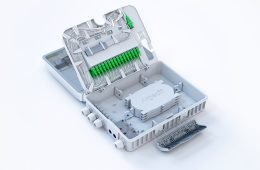
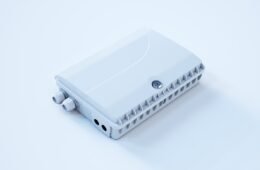
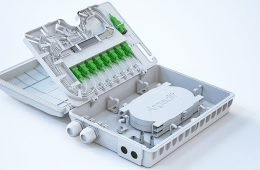
5. Distribution Box Problems
Fiber distribution boxes are key components of FTTH infrastructure.
Incorrect installation or poor cable organization may lead to:
- Pinched fibers
- Damaged splice trays
- Loose connectors
- Moisture ingress
High-quality distribution boxes improve network reliability and simplify maintenance.
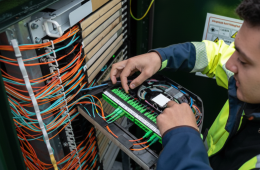
6. Patch Panel and ODF Issues
Patch panels and Optical Distribution Frames (ODFs) organize and manage fiber connections within telecommunications facilities.
Common problems include:
- Incorrect port assignments
- Poor cable management
- Missing labels
- Disorganized routing
These issues make troubleshooting more difficult and increase the likelihood of service interruptions.
7. ONT and Fiber Termination Problems
The Optical Network Terminal (ONT) installed at the customer’s premises is another potential point of failure.
Typical issues include:
- Loose fiber connectors
- Improper fiber termination
- Pinched indoor fiber cables
- Physical damage inside the home or office
Indoor fiber cables are particularly vulnerable to accidental damage during cleaning, furniture movement, or contact with pets.
8. Environmental Factors
Outdoor FTTH infrastructure is continuously exposed to environmental conditions such as:
- Rain
- Snow
- UV radiation
- Temperature fluctuations
- Humidity
- Dust
Using outdoor-rated enclosures with appropriate IP protection significantly improves network durability.
9. Low-Quality Passive Fiber Optic Components
Selecting low-quality passive components can increase long-term maintenance costs and reduce network performance.
High-quality products offer:
- Lower insertion loss
- Longer service life
- Reduced maintenance requirements
- Greater network reliability
For this reason, patch panels, Optical Distribution Frames (ODFs), distribution boxes, and other passive components should comply with international quality standards.
How Can FTTH Failures Be Prevented?
Many FTTH failures can be avoided through proper planning, professional installation, and the use of high-quality components.
Recommended best practices include:
- Design the network carefully before deployment.
- Respect the minimum bend radius of fiber cables.
- Clean fiber connectors regularly.
- Perform fusion splicing using certified equipment and trained technicians.
- Maintain organized cable management.
- Select products suitable for indoor and outdoor environments.
- Implement preventive maintenance programs.
Building Reliable FTTH Networks with Argedit
The quality of passive fiber optic components directly affects the performance and reliability of an FTTH network.
Argedit supports next-generation telecommunications infrastructure by offering:
- Fiber Optic Patch Panels
- Optical Distribution Frames (ODFs)
- Indoor Distribution Boxes
- Outdoor Distribution Boxes
- ONT Holders
- Customized FTTx Solutions
These products are designed to provide reliable, long-lasting, and efficient fiber optic connectivity for residential, commercial, and telecommunications projects.
Conclusion
Most FTTH failures result from improper installation practices, poor cable management, or the use of low-quality passive components. Investing in quality products, professional installation, and preventive maintenance significantly reduces downtime and improves long-term network performance.
A well-designed fiber optic infrastructure not only delivers high-speed connectivity but also ensures reliable communication for years to come.
Frequently Asked Questions (FAQ)
What is the most common cause of FTTH failures?
The most common causes include physical fiber damage, dirty connectors, poor fusion splicing, and excessive cable bending.
Why do fiber optic cables experience signal loss?
Signal loss can occur due to cable damage, excessive bending, contaminated connectors, or improperly executed fusion splices.
How can FTTH failures be prevented?
Proper installation, high-quality components, regular maintenance, and effective cable management greatly reduce the risk of network failures.
Why are fiber distribution boxes important?
Distribution boxes protect fiber connections from moisture, dust, and mechanical damage while simplifying cable management and maintenance.
Does the quality of passive fiber optic components affect network performance?
Yes. High-quality patch panels, ODFs, and distribution boxes improve signal integrity, reduce maintenance costs, and increase the overall reliability of fiber optic networks.